Florida homeowners understand that warm weather and humidity are part of everyday life. While the climate offers plenty of benefits, it can also create conditions where moisture becomes a concern inside residential properties. Leaks, condensation, flooding, poor ventilation, and HVAC issues can all contribute to an indoor environment where mold may develop.
When homeowners notice musty odors, staining, or signs of previous water damage, professional evaluation can provide useful information. Choosing among mold testing companies is an important decision because testing should be based on the property's circumstances rather than fear or assumptions.
Mold generally requires moisture and a suitable surface to grow. Florida's humid environment can make moisture management particularly important, especially in areas with limited ventilation.
Common conditions that may deserve attention include:
Not every dark spot or unusual odor automatically means there is a mold problem. Similar symptoms can have different causes, which is why proper investigation is more useful than simply guessing.
Testing is not necessarily required for every home. However, homeowners may consider professional evaluation when there is a specific reason to investigate possible mold or moisture conditions.
Potential situations include a history of flooding, persistent musty odors, visible areas of suspected growth, unexplained moisture damage, or concerns following a plumbing or roofing leak.
Homebuyers may also want additional information when a property has experienced previous water intrusion. Testing can become part of broader due diligence when there are environmental concerns that warrant further investigation.
The goal should be to answer a specific question about the property rather than testing simply because mold is possible.
The testing process can vary depending on the property and the reason for the evaluation. A professional may begin by reviewing visible conditions and looking for indicators of moisture or potential microbial growth.
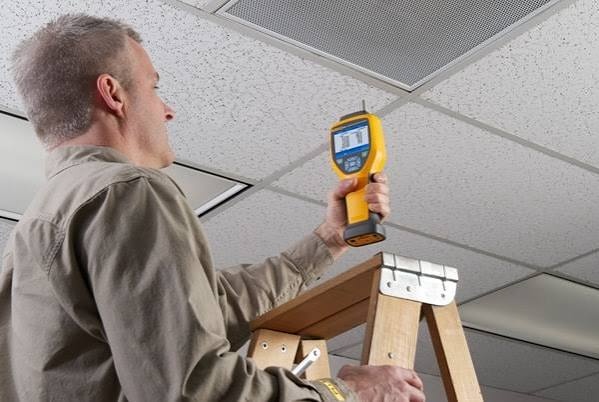
Depending on the situation, testing may involve collecting air or surface samples for laboratory analysis. Some assessments may also include measurements of environmental conditions such as humidity.
Laboratory results can provide useful information, but they should not be viewed in isolation. Results need to be interpreted alongside the property's history, visible conditions, moisture sources, and other relevant observations.
A good testing process should focus on collecting meaningful information and explaining what the findings do—and do not—indicate.
When comparing mold testing companies, homeowners should look beyond price alone. Experience, qualifications, reporting practices, testing methods, and communication can all make a difference.
Before scheduling an assessment, homeowners can ask:
These questions can help homeowners understand what they are paying for and avoid services that promise more certainty than testing can reasonably provide.
One of the most important distinctions homeowners should understand is the difference between testing and remediation.
Testing is intended to gather information about potential environmental conditions. Remediation involves addressing confirmed or suspected mold growth and correcting the underlying moisture source.
A testing professional should not automatically assume that every property requires extensive remediation. Likewise, homeowners should not attempt to solve a significant moisture or mold problem without understanding its source.
If substantial growth or water damage is discovered, qualified remediation or building professionals may be appropriate for the next stage.
Air sampling is one method that may be used when investigating indoor environmental conditions. Depending on the circumstances, samples may be collected indoors and sometimes compared with outdoor conditions.
However, an air sample represents conditions at a particular location and time. It does not provide a complete picture of every surface or hidden area in a building.
For this reason, air results should be considered together with visual observations, moisture information, property history, and other relevant evidence. No single test should be treated as a complete substitute for professional judgment.
Buying a home involves evaluating numerous systems and conditions. A standard inspection can identify visible moisture damage and other concerns, while specialized environmental testing may provide additional information when circumstances warrant it.
For buyers, mold testing companies can offer specialized services when a property has a history of flooding, noticeable odors, moisture concerns, or visible areas that require further investigation.
Getting appropriate information before closing can help buyers decide whether additional evaluation or repairs should be discussed. Sellers can also benefit from proactive evaluation because identifying potential concerns before listing may reduce surprises during the buyer's inspection period.
Testing can provide information, but prevention starts with moisture management. Homeowners should regularly check areas around plumbing fixtures, roofs, windows, HVAC equipment, gutters, and foundations.
Maintaining appropriate indoor humidity, improving ventilation where needed, repairing leaks promptly, and addressing water intrusion can help reduce conditions that support mold growth.
In Florida, these preventive steps can be especially valuable because humidity and moisture are recurring property-maintenance considerations.
Homeowners today have access to more information about indoor environmental conditions than ever before. However, more information does not always mean better decisions. The quality and interpretation of that information matter.
Working with reputable mold testing companies can help homeowners investigate specific concerns without relying on assumptions or unnecessary alarm. A thoughtful evaluation can identify relevant conditions, document findings, and help determine whether additional professional assistance is appropriate.
For Florida homeowners, the smartest approach is proactive rather than reactive: control moisture, investigate unusual conditions, understand test results, and address confirmed problems appropriately. With the right information and professional guidance, homeowners can make more confident decisions about maintaining a comfortable and well-managed property.

This post has been authored and published by one of our premium contributors, who are experts in their fields. They bring high-quality, well-researched content that adds significant value to our platform.











Student Advice provides useful education, study, career, and student life guidance to help learners make informed decisions and achieve their goals.