Termites can be a serious concern for homeowners throughout South Florida, and Broward County is no exception. With Florida’s warm climate and conditions that can support termite activity, homeowners may encounter different types of termites, including drywood, dampwood, subterranean, and conehead termites.
A professional termite inspection Broward County homeowners can rely on is an important step toward identifying potential termite activity before hidden damage becomes a major repair issue. Whether you are buying a property, preparing to sell, or simply maintaining your home, regular inspections can provide valuable information about the condition of wood and other accessible areas.
Florida is particularly favorable to termite activity, and several termite species are established throughout the state. The Florida Department of Agriculture and Consumer Services notes that termites cause substantial structural damage in Florida and recommends working with licensed pest control professionals for inspection and treatment.
Broward County also has a unique history with conehead termites. The species was first detected in Dania Beach in 2001 and later found in Pompano Beach. Florida maintains an eradication program for this invasive termite.
This does not mean every Broward home has a termite problem. However, the variety of termite species and the local environment make awareness and preventive inspections worthwhile.
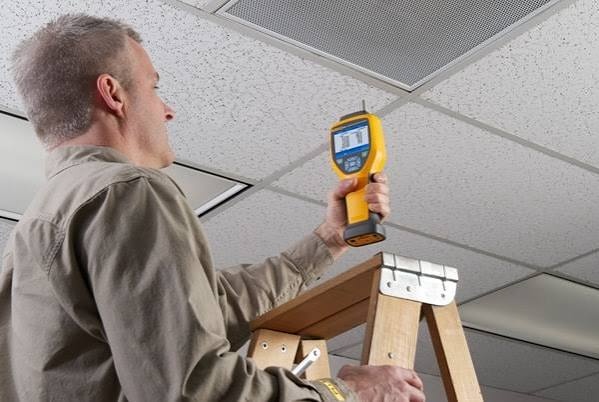
A professional termite inspection is more than simply walking around a property and looking for visible insects. The inspector looks for evidence of termite activity, damage, and conditions that could make the property more vulnerable.
Depending on the inspection and property, areas that may receive attention include:
The goal is to identify visible evidence and conditions that deserve further evaluation.
One reason professional identification matters is that not all termites behave in the same way.
Subterranean termites generally live in soil or protected environments and can enter structures through concealed routes. Moisture, soil-to-wood contact, and other conditions can increase opportunities for access.
Drywood termites live directly in dry wood. They can enter structures through openings or arrive in infested furniture, wood products, cabinets, flooring, and other materials. FDACS notes that drywood termites are found throughout Florida.
Dampwood termites are particularly associated with wet or damaged wood and are mainly found in South Florida. Correcting moisture problems can therefore be an important part of addressing conditions conducive to these termites.
Conehead termites are an invasive species with a particularly important connection to Broward County. They can create visible above-ground tunnels and may affect structures, trees, and other wooden materials.
Because treatment can vary depending on the species, accurate identification is an important part of the process.
Some termite infestations remain hidden for long periods, but homeowners should watch for possible warning signs.
Mud or shelter tubes may indicate subterranean termite activity. These tubes can appear along foundations, walls, trees, or other surfaces.
Discarded wings around windows, doors, or other areas may indicate that termite swarmers have emerged.
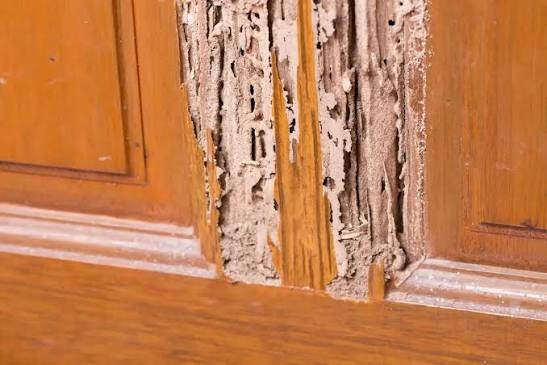
Wood damage can include hollow-sounding wood, weakened areas, blistering surfaces, or visible galleries.
Termite droppings or pellets can sometimes be associated with drywood termite activity.
Homeowners should also pay attention to unexplained changes in wooden components, particularly when combined with moisture problems or other evidence of insects.
There are several situations when a termite inspection Broward County property owners may benefit from becomes especially important.
A termite inspection can help a buyer understand whether there is visible evidence of termite activity or wood-destroying organisms before completing a major purchase.
Sellers can benefit from identifying termite-related concerns early. Discovering a problem before listing gives homeowners more time to investigate and address potential issues.
Older homes may have experienced previous termite activity, repairs, moisture problems, or changes in landscaping that affect termite access.
Renovations can expose previously concealed wood components. If walls, floors, ceilings, or framing are opened, it may be a good opportunity to investigate previously inaccessible areas.
If you notice wings, mud tubes, damaged wood, or suspicious insect activity, do not wait for the problem to become obvious throughout the house.
Regular maintenance can make a property less attractive or accessible to termites.
Start by reducing moisture around the structure. Repair leaking plumbing, roof problems, gutters, and downspouts. Make sure water drains away from the foundation.
Homeowners should also minimize wood-to-ground contact and avoid allowing tree branches or vegetation to touch the roof or exterior walls. UF/IFAS recommends reducing moisture and food sources while keeping the structure easier to inspect.
Firewood, scrap lumber, cardboard, and other cellulose materials should also be stored away from the house when possible.
Most importantly, avoid assuming that the absence of visible termites means a home is termite-free.
Termites can remain hidden until damage becomes noticeable, which is why proactive inspection is an important part of responsible property maintenance. A professional termite inspection Broward County homeowners schedule at the right time can help identify visible evidence, vulnerable areas, and conditions that may require further attention.
Whether you are buying, selling, renovating, or simply protecting your investment, an inspection can give you a clearer understanding of potential termite concerns. In a region where several termite species are established, early awareness can make it easier to address problems before they become more complicated and expensive.
Termite prevention starts with awareness. Keep moisture under control, maintain the exterior of your property, eliminate unnecessary wood-to-soil contact, and pay attention to unusual signs around wooden components.
Most importantly, when termite activity is suspected, seek evaluation from appropriately qualified professionals. Identifying the termite species and understanding the extent of the problem are important steps toward choosing the right solution and protecting your Broward County home.

This post has been authored and published by one of our premium contributors, who are experts in their fields. They bring high-quality, well-researched content that adds significant value to our platform.











Student Advice provides useful education, study, career, and student life guidance to help learners make informed decisions and achieve their goals.