Ductless air conditioning has become an increasingly practical solution for homeowners seeking flexible cooling without traditional ductwork. Mini-split systems can provide targeted temperature control for individual rooms, additions, home offices, garages, and other spaces where extending a central duct system may be difficult.
In 2026, ductless technology is becoming more sophisticated through inverter-driven compressors, smart controls, advanced sensors, improved filtration, and predictive diagnostics. These developments can improve efficiency and comfort, but they also make proper installation and professional maintenance increasingly important.
When a ductless system begins behaving differently, homeowners should understand the warning signs and know when professional attention is appropriate.
Traditional central air conditioning distributes conditioned air through a network of ducts. Ductless systems take a different approach by connecting an outdoor compressor unit directly to one or more indoor air handlers.
This design allows homeowners to create separate comfort zones. A frequently occupied room can be cooled without necessarily conditioning every space in the building.
Ductless systems can also be useful in older properties where installing new ductwork would require significant remodeling. Their compact design provides flexibility for renovations and room additions.
Variable-speed inverter compressors are among the most important innovations in modern ductless HVAC systems. Rather than operating only at full capacity, an inverter compressor can adjust its speed according to the cooling demand.
During moderate weather, the system may operate at a lower capacity for longer periods. When outdoor temperatures rise, it can increase output as needed.
This approach can provide more consistent indoor temperatures while reducing frequent start-and-stop cycles. It can also improve humidity management in appropriate conditions.
For homeowners comparing ductless systems, inverter technology is an important factor to consider because efficiency depends on both equipment design and proper installation.
Smart connectivity is another major HVAC trend in 2026. Many newer ductless systems can communicate with mobile applications, smart thermostats, and other connected-home devices.
Homeowners can potentially adjust individual zones remotely, establish schedules, monitor operating conditions, and receive notifications.
Smart controls can also support energy management. Instead of maintaining the same temperature throughout an entire property, homeowners can reduce conditioning in rooms that are rarely occupied.
This combination of zoning and connectivity gives ductless systems an advantage for households with varying comfort requirements.
Modern HVAC technology is increasingly shifting from reactive maintenance toward predictive diagnostics. Sensors and connected controls can monitor temperature, runtime, compressor behavior, and other operating characteristics.
When unusual patterns are detected, the system may generate an alert or provide information that can assist with troubleshooting.
If ductless ac repair becomes necessary, historical operating information can sometimes give HVAC professionals useful insight into how the equipment was performing before the problem occurred.
Predictive monitoring does not eliminate the need for professional inspection, but it can support earlier intervention and more informed diagnosis.
Ductless systems can display several warning signs when something is not operating correctly. Homeowners should pay attention to:
These symptoms can have different causes. A dirty filter may restrict airflow, while unusual noises could involve mechanical components. Water leakage may relate to condensate drainage.
Because the same symptom can have multiple causes, professional diagnosis is preferable to replacing components based solely on appearance.
Ductless indoor units typically contain filters that collect airborne particles. Over time, accumulated dust can restrict airflow and reduce system performance.
Homeowners should follow the manufacturer's recommendations for cleaning or replacing filters.
Keeping the indoor unit unobstructed is also important. Furniture, curtains, or other objects positioned directly in front of the air handler can interfere with air circulation.
Outdoor equipment should similarly remain clear of excessive vegetation, leaves, and debris.
Simple maintenance practices can help the system operate more effectively between professional service visits.
Refrigerant technology continues to change as the HVAC industry focuses on environmental impact and updated efficiency standards. Manufacturers are introducing equipment designed around newer refrigerant technologies and increasingly sophisticated system controls.
When an older ductless system develops a refrigerant-related problem, homeowners may need to consider the age and overall condition of the equipment before deciding whether repair is the best long-term option.
A qualified HVAC technician can evaluate system performance, identify the source of the problem, and explain the available options.
Multi-zone ductless systems allow several indoor units to connect to a single outdoor unit. Each zone can have its own temperature settings, creating personalized comfort throughout the property.
This can be especially useful when different occupants have different temperature preferences.
For example, bedrooms can be maintained at a different temperature from a living room or home office. Rooms that are rarely used can also receive less conditioning.
Zone-based operation can potentially reduce energy waste while providing more individualized comfort.
Although modern ductless systems include advanced technology, professional maintenance remains essential.
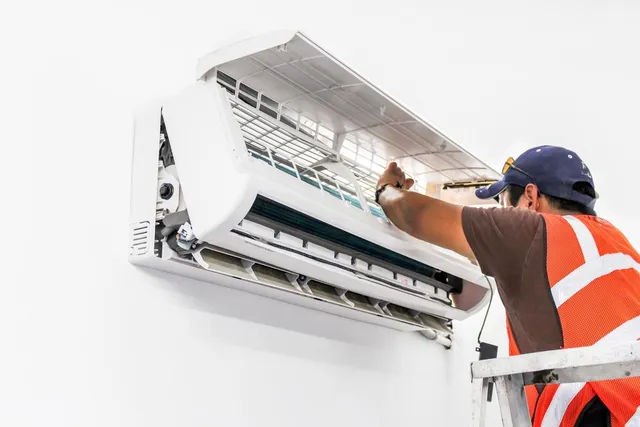
A qualified technician can inspect electrical components, airflow, coils, condensate drainage, controls, and other system components. Depending on the equipment and applicable requirements, technicians can also evaluate refrigerant-related performance.
Homeowners should avoid attempting electrical or refrigerant work themselves. These systems contain components that require specialized tools, training, and safety procedures.
Prompt professional evaluation can also prevent a minor performance issue from developing into a larger system failure.
Not every malfunction requires a new system. A relatively minor component failure may be repairable, allowing the equipment to continue operating for years.
However, replacement may be worth considering when a system is older, inefficient, requires repeated service, or experiences a major component failure.
Homeowners should compare repair costs with expected remaining equipment life, energy efficiency, available technology, and future maintenance requirements.
A professional assessment can help determine which option provides better long-term value.
Ductless HVAC technology is moving toward greater efficiency, connectivity, intelligence, and personalized comfort. Inverter compressors, smart controls, predictive diagnostics, multi-zone configurations, and evolving refrigerants are reshaping the way homeowners approach cooling.
For homeowners who need ductless ac repair, recognizing early warning signs and arranging qualified service can help protect system performance and indoor comfort.
Throughout 2026 and beyond, the most effective approach will combine advanced equipment with correct installation, routine maintenance, sensible operation, and timely professional diagnosis. With these practices, ductless cooling can remain an efficient and flexible solution for modern homes.

This post has been authored and published by one of our premium contributors, who are experts in their fields. They bring high-quality, well-researched content that adds significant value to our platform.








Student Advice provides useful education, study, career, and student life guidance to help learners make informed decisions and achieve their goals.